
Our story
We started as beekeepers. Today we share Chilean honey with the world.
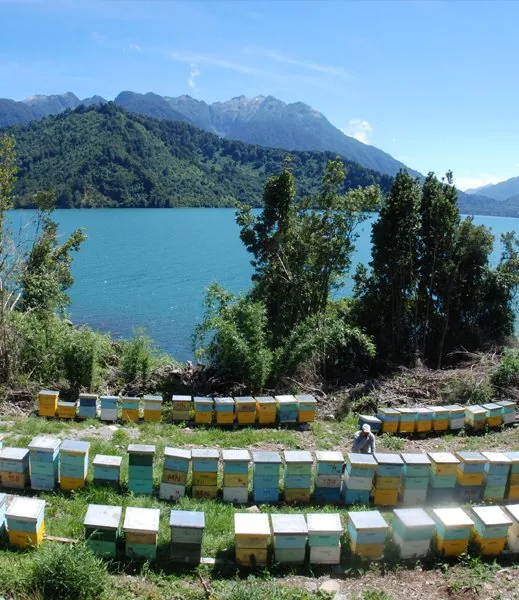
A journey that began 40 years ago with our first 30 hives on Chiloé Island, in southern Chile. Today we work side by side with more than 600 beekeeping families, in a story of passion, hard work and innovation that lets us proudly bring an exclusive selection of native Chilean honeys to the world.
Where it began
It all started on Chiloé Island
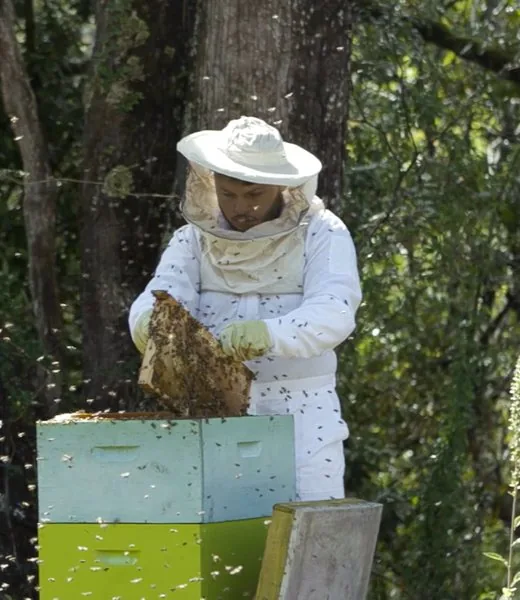
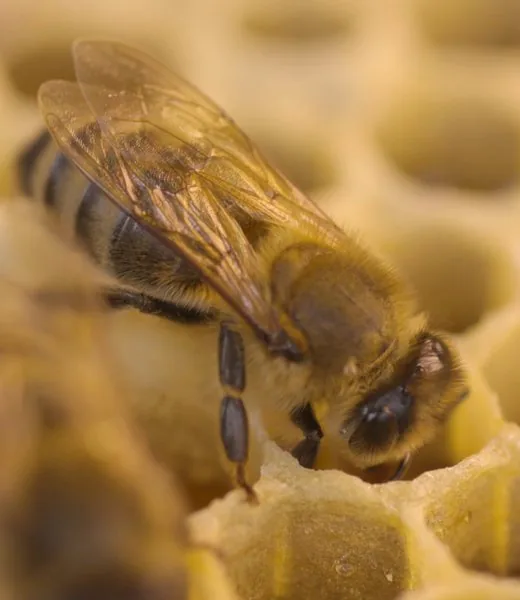
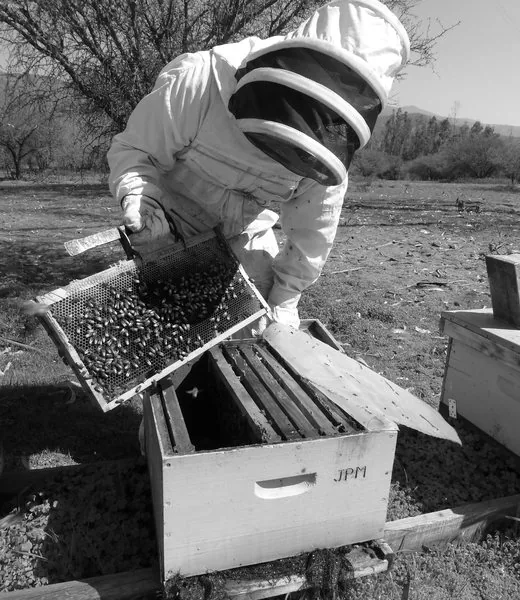
Honey runs in the veins of Juan Pablo Molina, beekeeper and founder of Terra Andes. On a trip to Chiloé Island, in southern Chile, he fell in love with bees, and so began a path of hard work, learning and fieldwork that he now shares with his children and our whole team.
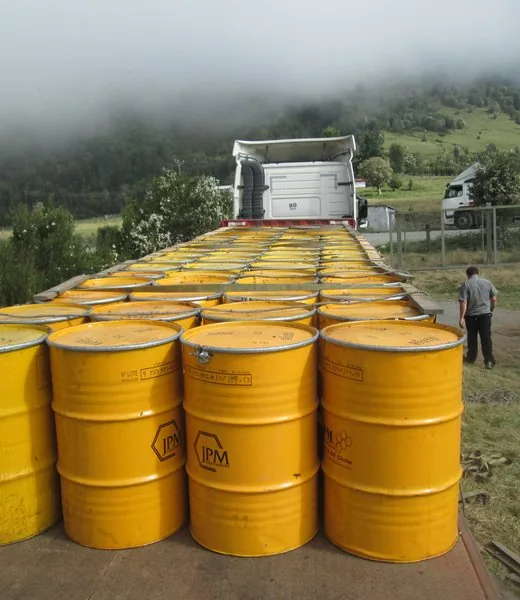
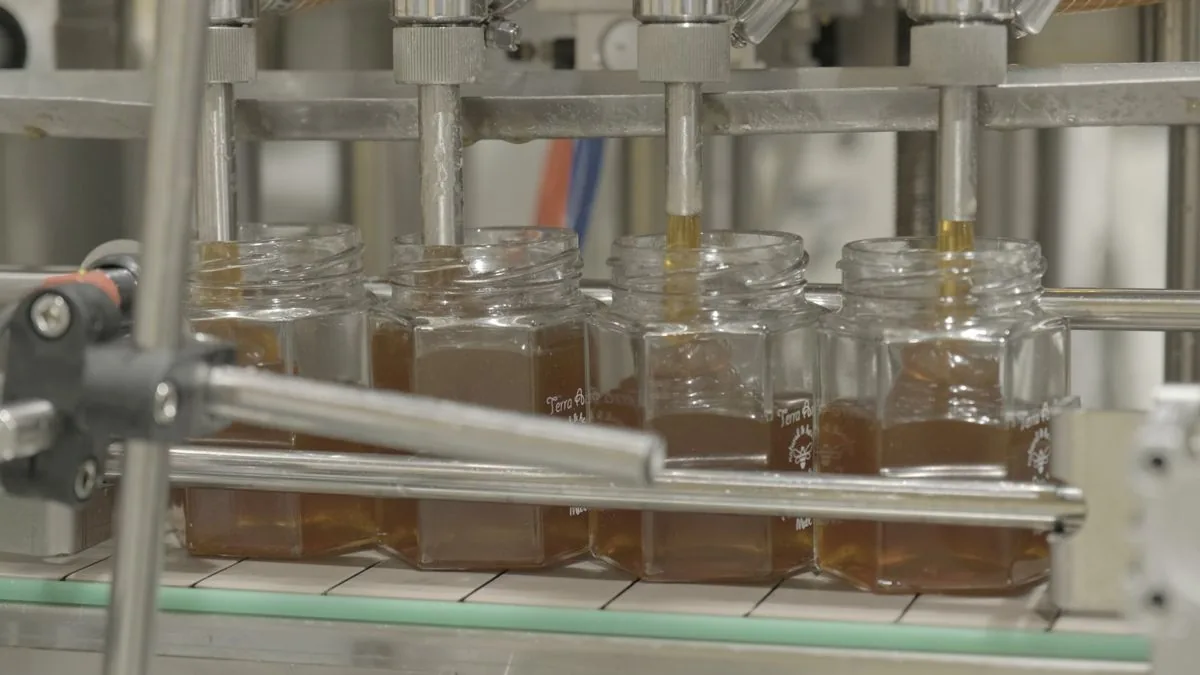
After years as a beekeeper, he founded JPM, bringing together hundreds of beekeeping families from across Chile. Today the company runs one of the most advanced honey testing and packing facilities in Latin America.
Terra Andes was born from that knowledge: decades of discovering the honeys of every corner of Chile, and the technology to select, test and bring them to the table with all their character. We are the pioneering brand sharing the best of Chilean honey with the world.
Sustainability & fair trade
600 beekeeping families, one shared standard
These principles guide our daily work with rural producers all across Chile.
Bee welfare
We promote clean, sustainable beekeeping focused on the health of every hive.
Fair trade
Long-term relationships and fair conditions with every beekeeping family.
Ongoing training
A monthly program of workshops and field visits to build skills and meet our customers’ standards.
How we work
From hive to table, step by step
Beekeepers
Skills development and hands-on support in the field.
Selection
Quality testing and selection of premium varieties.
Our facility
Packed at our own facility, raw and never pasteurized.
Certification
Testing by international laboratories and shipping to Chile and the world.
Also from our family
Terra Andes Plus
Our line of medicinal honeys with certified antibacterial activity (APF), developed with Pontificia Universidad Católica de Chile.
FAQ